The Catastrophic Power of Tsunamis and Flash Floods
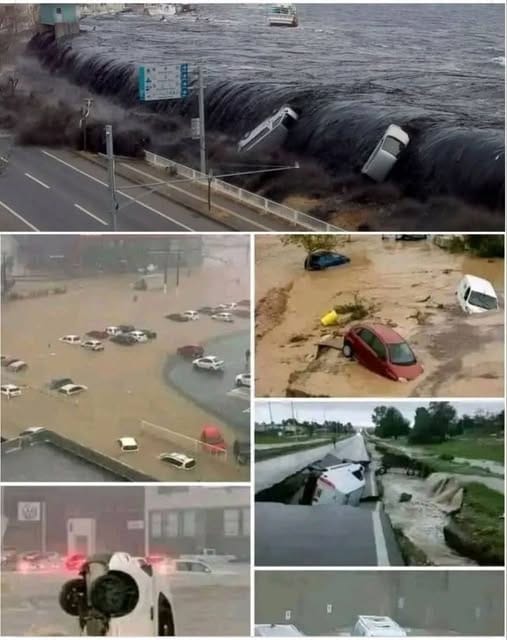
Natural disasters continue to challenge human infrastructure and emergency response systems worldwide. Recent footage captures the terrifying moments a massive tsunami breaches a coastal wall. This powerful wave surges instantly into a vulnerable seaside town. The sheer force of the water obliterates everything in its immediate path. Buildings and roads are quickly submerged under the relentless ocean currents. Such events highlight the extreme vulnerability of coastal communities to sudden oceanic disturbances.
Meanwhile, inland areas are facing equally destructive forces in the form of severe flash floods. Extreme rainfall events are becoming more frequent, leading to rapid water accumulation in major cities. Urban centers are particularly prone to these disasters due to extensive concrete surfaces. When drainage systems fail, streets transform into dangerous, fast-flowing rivers within minutes. The sudden onslaught of water leaves residents with very little time to evacuate safely. This combination of coastal tsunamis and urban flooding represents a dual threat to global security.
The Economic and Social Impact of Inundation
The aftermath of these water-related disasters leaves behind a trail of immense economic devastation. Submerged vehicles are seen piled on top of each other in flooded parking lots. Hundreds of cars are completely ruined, representing millions of dollars in property damage. Homeowners face devastating losses as murky floodwaters invade residential areas and destroy personal belongings. Local businesses are forced to close, disrupting the economic stability of the affected region. Infrastructure damage to roads, bridges, and power grids requires years of expensive reconstruction efforts.
Beyond the financial toll, the human and social impact of these events is profoundly distressing. Communities suffer from displacement as thousands of people are forced to flee their homes. Access to clean drinking water and basic sanitation becomes severely compromised during major floods. The emotional trauma experienced by survivors can linger for decades after the physical water recedes. Emergency shelters often become overwhelmed by the sheer volume of displaced citizens seeking refuge. Rebuilding the social fabric of a devastated town demands immense patience and sustained psychological support.
Mitigating Future Risks Through Infrastructure and Technology
As the frequency of these catastrophic events rises, governments must prioritize advanced mitigation strategies. Constructing stronger sea walls and storm surges barriers is crucial for protecting vulnerable coastal zones. Urban planning must evolve to incorporate porous materials that allow rainwater to absorb naturally into the ground. Upgrading aging drainage systems is essential to prevent severe water accumulation during torrential downpours. Additionally, preserving natural wetlands can act as a buffer zone against powerful storm surges. Investing in resilient infrastructure today will save countless lives and billions of dollars tomorrow.
Technology also plays a pivotal role in modern disaster management and community preparedness. Implementing cutting-edge early warning systems can provide citizens with vital minutes to seek higher ground. Satellite monitoring and artificial intelligence help meteorologists predict severe weather patterns with greater accuracy. Educational campaigns are necessary to teach communities how to respond effectively during a flood emergency. International cooperation allows countries to share best practices and resources for disaster response. Ultimately, global resilience depends on a proactive combination of robust engineering and innovative technology.
Key Takeaways for Disaster Preparedness
- Early Warning Systems: Always heed local evacuation orders immediately when sirens sound.
- Urban Engineering: Cities must invest in smart drainage solutions to combat flash floods.
- Coastal Protection: Resilient infrastructure is the first line of defense against tsunamis.