Global Diplomacy and the Complexities of International Relations in the Modern Era
The Power Dynamics of High-Stakes Leadership
Navigating international diplomacy requires a delicate balance of communication, political strategy, and visual messaging. Global leaders frequently engage in high-stakes discussions that shape the economic and political future of nations. Public appearances and official press conferences provide a platform for leaders to project strength and resolve to their constituents. Every gesture, expression, and word spoken during these events is meticulously analyzed by political pundits worldwide. The media plays a critical role in broadcasting these interactions to a global audience hungry for real-time updates.
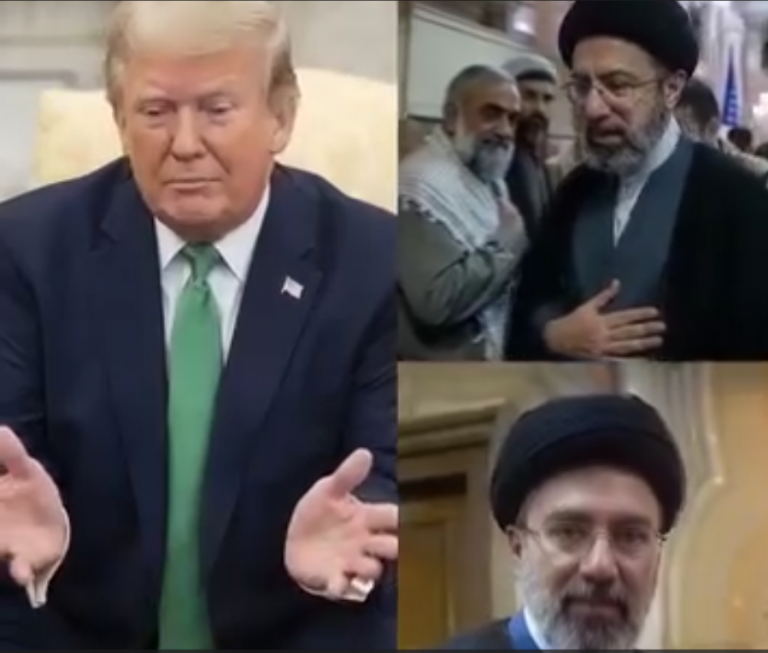
Geopolitical tensions often simmer beneath the surface of seemingly calm diplomatic meetings. Strategic communication is essential for managing conflicts and preventing misunderstandings between opposing world powers. Leaders must project authority while remaining open to negotiations that protect national interests. The visual contrast between Western political leaders and Middle Eastern dignitaries highlights diverse cultural and political frameworks. Understanding these distinct frameworks is vital for interpreting the outcome of international summits. Ultimately, global stability relies heavily on the diplomatic capabilities of these prominent figures.
Media Representation and Public Perception in Foreign Policy
The way international events are covered by the media heavily influences how the public perceives foreign policy. Headlines often focus on the friction between nations rather than areas of potential cooperation. News broadcasts utilize split-screen footage to juxtapose different political environments and leadership styles simultaneously. This media technique can emphasize ideological divides and highlight cultural contrasts for the viewing audience. Public perception is easily molded by the specific narratives chosen by major media outlets.
Social media platforms further amplify these political narratives, creating viral discussions across the internet. Citizens often debate the effectiveness of their leaders’ foreign policies based on short video clips. This rapid dissemination of information can sometimes distort the subtle nuances of complex diplomatic agreements. It is crucial for audiences to seek out objective analysis to understand the broader context of global affairs. A well-informed public is better equipped to evaluate the decisions made by their elected representatives. Media literacy remains an indispensable tool for deciphering modern political communication.
The Role of Cultural Identity in International Diplomacy
Cultural identity and traditional attire play a significant role in how leaders present themselves on the world stage. Traditional garments can symbolize historical continuity, religious devotion, and national pride for specific delegations. These visual markers serve as a reminder of the diverse values that influence global governance. Western leaders often rely on formal business attire to convey professionalism and institutional authority. Bridging the gap between these distinct cultural expressions requires mutual respect and careful protocol.
Diplomats must undergo rigorous training to understand the cultural etiquette of the nations they interact with. Misinterpreting a gesture or a traditional custom can lead to unnecessary diplomatic friction. Effective negotiation often depends on finding common ground despite deeply rooted cultural differences. International organizations provide a structured environment where these diverse cultures can engage productively. Respecting cultural sovereignty is a fundamental principle of maintaining peaceful international relations. Diversity in leadership styles can actually foster creative solutions to shared global challenges.
Re-evaluating Global Alliances for Future Stability
As the global landscape evolves, traditional alliances are continuously re-evaluated by foreign policy experts. Economic interdependence forces nations to maintain diplomatic ties even during periods of political tension. Emerging global challenges require collaborative efforts that transcend regional disputes and ideological differences. Leaders must balance domestic demands with international responsibilities to ensure long-term stability. The future of global diplomacy depends on the willingness of nations to engage in transparent dialogue.
Investing in diplomatic infrastructure is far more cost-effective than managing the fallout of international conflict. Educational exchanges and cultural diplomacy help build mutual understanding between citizens of different nations. Think tanks and policy advisors play a vital role in formulating long-term strategies for global engagement. The international community must remain committed to upholding international law and human rights standards. Moving forward, proactive diplomacy will be the key to navigating an increasingly interconnected world. Cooperation, rather than isolation, remains the most viable path toward global peace and prosperity.
Key Takeaways for International Relations
- Strategic Communication: Clear and precise dialogue is essential for resolving geopolitical friction.
- Cultural Competence: Understanding diverse leadership styles prevents international misunderstandings.
- Media Analysis: Dissecting news coverage objectively reveals the underlying realities of foreign policy.