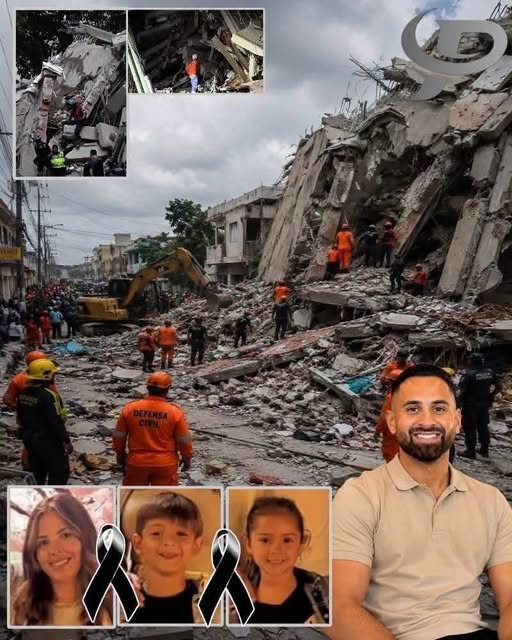
As most people know, a week ago an earthquake struck cities in Turkey and Syria, leaving thousands dead. More than 13 million people lived in the 10 Turkish provinces affected by the disaster, and there are fears that tens of thousands more may still be buried under tons of rubble.
Last Saturday, Turkish rescue teams managed to save a two-month-old baby who had been trapped for 128 hours under the rubble of a building, a consequence of the catastrophic earthquakes last Monday that have already claimed the lives of more than 25,000 people in Turkey alone. This little one was rescued from the debris of a building in Hatay province. It is not the only rescue that has taken place in recent hours, although as the days go by, the chances of finding more survivors are dwindling.
Fortunately, a 13-year-old boy was rescued from the ruins of the building where he lived in Hatay after also spending more than 128 hours under the rubble.
By Thursday, February 9, the number of victims between the two countries had risen to more than 17,000, a day when the hopes of rescuers to find more survivors under the ruins had disappeared due to the hostile weather the area was experiencing.
Another case involved a family of five rescued from the rubble of their home in Nurdag, Gaziantep province, after being buried under the ruins for more than 130 hours. The rescue team first managed to save the mother and one of her daughters, and then the father, who pleaded with them to free his two daughters, who were still trapped near him. After several hours of work, all members of the family were rescued and taken to the hospital for medical examinations, as reported by the Turkish news channel TRT.
At this time, the number of deaths in Turkey alone has reached 25,734, according to the latest data released by Turkish President Recep Tayyip Erdogan.
The situation among those who managed to survive the disaster has become very complicated: Approximately one million people have lost their homes (according to official data) in a very important area of southeastern Turkey, which covers 10 provinces and has an area larger than that of Portugal.
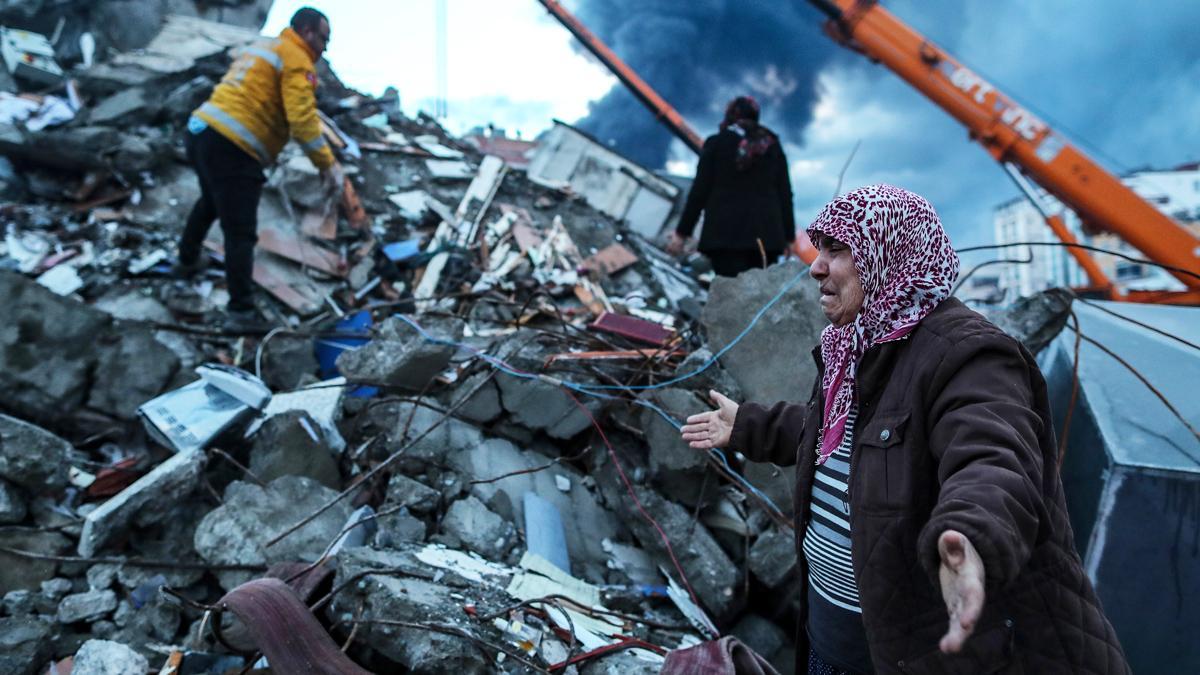
This situation is compounded by other difficulties such as the lack of basic services like water, heating, and electricity. Many hospitals in the area have been affected, and those that remain operational are already operating at maximum capacity due to the large number of injured. There are also problems with telephone and internet communications.
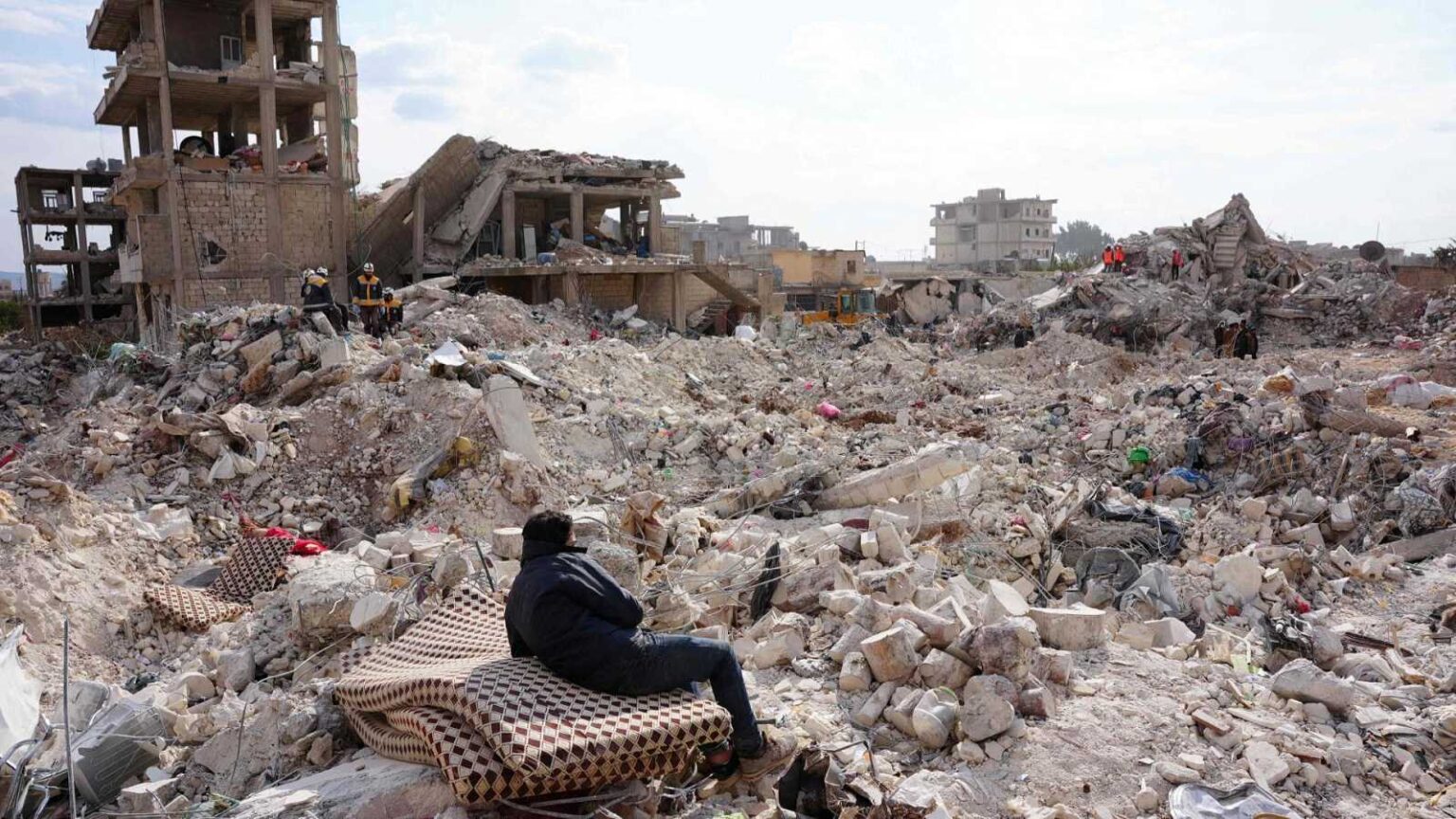
Health professionals have warned that there is a risk of an epidemic if sanitary conditions are not improved and if access to water, personal hygiene products and basic medical care to treat infectious diseases that may have been contracted due to the collapses continues to be lacking.