The liver is one of the body’s most important organs. Its main functions include processing nutrients, eliminating toxins, producing bile to aid in fat digestion, and manufacturing proteins essential for blood clotting.

One of its most surprising characteristics is its regenerative capacity. However, this same capacity allows many liver diseases to progress silently for months or even years, without causing any obvious symptoms.
Even so, when the liver begins to lose some of its function, the body may manifest some signs that often go unnoticed or are confused with other health problems.
1. Persistent itching with no apparent cause
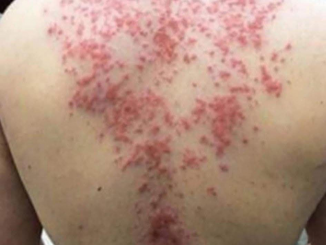
Intense itching, especially on the hands and feet, that occurs without visible rashes or allergies, may be related to the accumulation of bile salts in the blood due to impaired liver function.
2. Redness of the palms
The palms of the hands may take on a reddish hue, especially at the base of the thumb and the edges of the hand. This sign, known as palmar erythema, can be associated with hormonal changes caused by liver disease.
3. Appearance of spider veins
Small spider-like dilations of blood vessels that appear on the face, neck, chest, or upper torso may be a sign of hormonal metabolism disorders.
4. Bruises that appear easily
The liver produces several factors necessary for blood clotting. When its function declines, frequent bruising can occur even after very minor bumps or without any recollection of an injury.
5. Swelling in ankles and feet
Fluid retention in the lower extremities can develop when the liver produces insufficient amounts of albumin, a protein that helps maintain fluid balance in the body.
6. Changes in taste or metallic flavor
Some people experience a persistent metallic taste or a decreased ability to perceive flavors, possibly due to metabolic disturbances or a buildup of toxins.
7. Persistent bad breath
Breath that smells sweet, rancid, or similar to fermented fruit can occur in advanced cases of liver disease when certain substances are not properly eliminated.
8. Difficulty digesting fatty foods
Nausea, a feeling of heaviness, or discomfort after consuming high-fat meals may be related to problems with bile production or flow.
9. Very light-colored stools
Gray, white, or clay-colored stools may indicate a decrease in the flow of bile into the intestine and require medical evaluation.
10. Very dark urine
Urine that is tea-colored or dark brown, even when there is adequate hydration, may be a result of increased bilirubin in the blood.
11. Difficulty concentrating
The so-called “brain fog”, frequent forgetfulness, confusion or mood swings can appear when the liver fails to properly eliminate certain substances from the body.
12. Sleep disturbances
Daytime sleepiness, accompanied by difficulty sleeping at night, is a symptom that some people with liver disease may experience.
13. Loss of appetite
Liver inflammation can cause early satiety, decreased appetite, and even unintentional weight loss.
14. Pain in the right shoulder
Although the liver is located in the upper right part of the abdomen, some people may feel referred pain in the right shoulder or upper back due to irritation of the diaphragm.
15. Constant fatigue
Persistent tiredness that does not improve with rest is one of the most frequent symptoms in various liver diseases and can significantly affect quality of life.
When should I see a doctor?
The presence of one of these symptoms does not necessarily mean that liver disease is present, as many can also be related to other disorders. However, if several of them appear at the same time, persist for weeks, or are accompanied by yellowing of the skin or eyes, severe abdominal pain, fever, or significant weight loss, it is important to consult a healthcare professional for an evaluation.
Early diagnosis of liver disease allows for timely treatment and, in many cases, the prevention of serious complications. Maintaining a balanced diet, moderating alcohol consumption, avoiding self-medication, and undergoing medical checkups when risk factors are present are fundamental measures for protecting liver health.