Tinnitus isn’t a disease in itself; it’s more of a symptom. In medical terms, tinnitus is a persistent noise, like a ringing or a whirring noise. This noise doesn’t come from an external source; therefore, its existence causes discomfort to the sufferer, who can’t explain it.
Causes of tinnitus
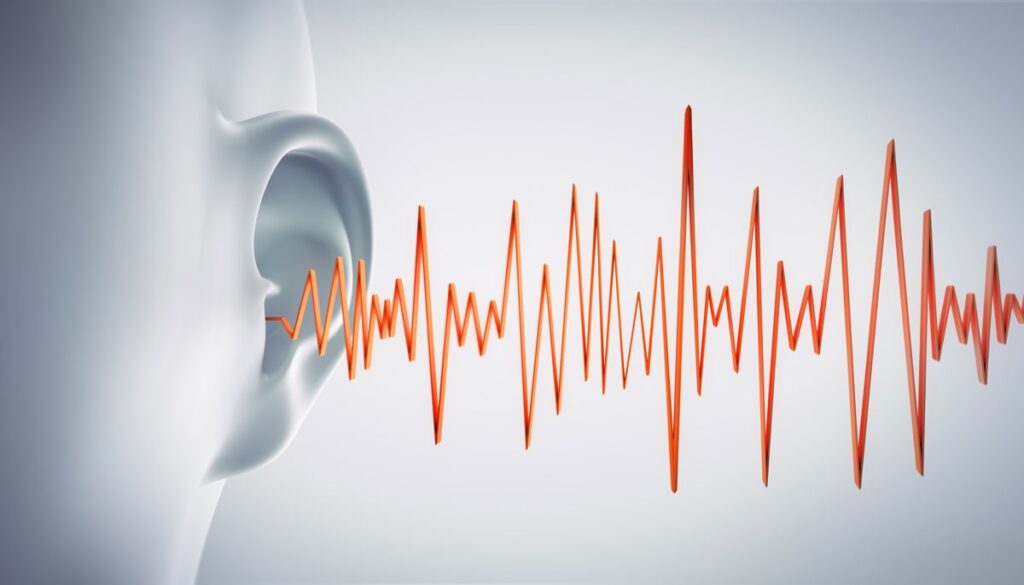
The causes of this are varied; as I mentioned earlier, this is a symptom. Hearing damage and the use of medication are associated with the appearance of this persistent sound.
Hearing damage
The ear consists of three main parts: the outer, middle, and inner. The outer part is the auricle and the auditory canal that leads to the eardrum. Beyond the eardrum is the box-shaped middle ear. Further inside is the inner ear; here are the connections to the nervous system that carry information to the brain.
If the middle or inner ear is damaged, for any reason, this can lead to the appearance of tinnitus. These conditions are divided into those that affect the conduction of sound waves, such as a disorder of the ossicles, or those that affect neuronal interpretation in the brain.
Also, the sound can be caused by the pressure of tumor cells against the acoustic nerve.
Long exposures to loud noises
People who work with noisy machinery or in environments with high decibel levels for much of the day are likely to hear this hissing sound outside of work hours. For example, hydraulic hammer operators.
Also, damage can occur when listening to loud music on headphones.
Other causes are:
- Some medications
- Temporomandibular joint disorders.