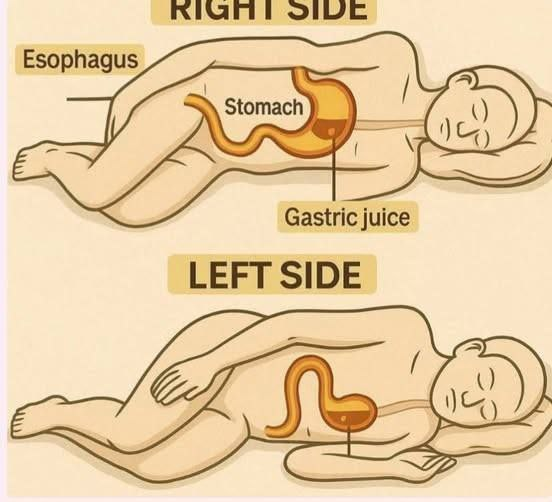
The body’s physical orientation during sleep is one of the most overlooked variables in biological recovery. Due to the asymmetry of human anatomy, sleeping on the left side aligns the internal organs with their natural arrangement, particularly benefiting the digestive system. The stomach is a curved sac located primarily on the left side of the abdomen; when resting in this position, gastric juices remain safely trapped below the esophageal sphincter. This prevents acid reflux into the esophagus, providing a mechanical solution for gastroesophageal reflux disease (GERD) and chronic nighttime heartburn.
Beyond digestion, sleeping on your left side primarily facilitates the functioning of the lymphatic system, the body’s secondary circulatory network responsible for filtering toxins and cellular waste. The thoracic duct, the largest lymphatic vessel, is located on the left side of the body, and gravity-assisted drainage into this duct ensures a more efficient purification cycle during the night. This orientation also benefits the spleen, located on the far left, allowing it to filter the blood with maximum efficiency, while relieving pressure on the liver to prevent congestion and promote optimal bile production.
The mechanical pathway of the human colon makes sleeping on the left side a natural laxative that promotes morning regularity and reduces bloating. Waste passes from the small intestine to the large intestine at the ileocecal valve in the right abdomen, then ascends the ascending colon and descends the descending colon on the left side. By resting on the left side, gravity naturally facilitates the movement of waste toward the exit. For pregnant women, this position is medically significant, as it prevents the uterus from compressing the inferior vena cava, ensuring a steady supply of oxygenated blood to both the heart and the placenta.
Adopting the habit of sleeping on your left side is a form of “passive wellness,” where long-term health is optimized through structural alignment rather than active effort. While muscle memory can make the transition difficult for those who have slept on their right side their entire lives, tools like body pillows can help train the nervous system to maintain this new orientation. By recognizing that internal health is often a matter of geometry, we can transform sleep into a truly restorative ritual that reduces friction within our systems. Ultimately, choosing the left side ensures that the third of our lives we spend unconscious is used to maximize vitality and biological tranquility.