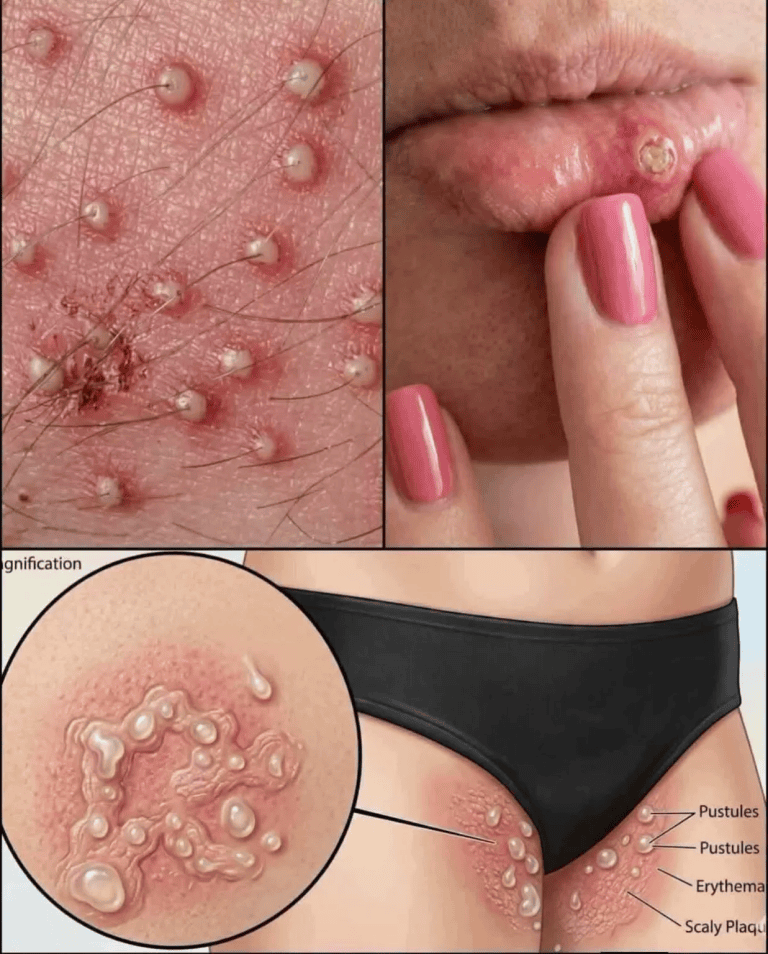
The cause of this condition is unknown, but studies suggest it more frequently affects people with a family history of seasonal allergies and a genetic predisposition or asthma. Environmental and dietary factors also play a role.
Psoriasis is a chronic inflammatory skin disease with a strong genetic predisposition and autoimmune pathogenic features. It affects approximately 2% of the world’s population.
The dermatological manifestations of this condition are varied. It can present as pruritic, erythematous plaques with well-defined borders covered in scales. The plaques can merge and cover large areas of skin. These are more common in:
Allergic contact dermatitis
This occurs through direct contact with allergens. Often, only the area that came into contact with the substance is affected. The most common allergens are perfumes, costume jewelry, hair dyes, and cosmetics.
This is a skin pigmentation disorder caused by a lipophilic fungus called Malassezia spp. It is characterized by well-defined, slightly scaly skin lesions of varying color.
Studies have concluded that there is a higher prevalence in young people in puberty and mostly in women.
This is one of the most common types. It is caused by inflammation of the outermost layers of the skin. It is most frequently seen in areas with a high concentration of sebaceous glands.
Its cause is unknown, but obesity, extreme climates, neurological conditions, and stress are risk factors.